How Magnetic Storms Affect Human Health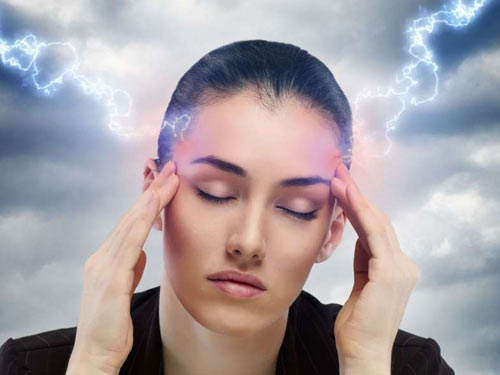
For weather-sensitive people, magnetic storms can become a real ordeal. During this time, well-being deteriorates, mood worsens, and if chronic diseases are present, health problems may arise. How to be prepared?
What Is a Magnetic Storm
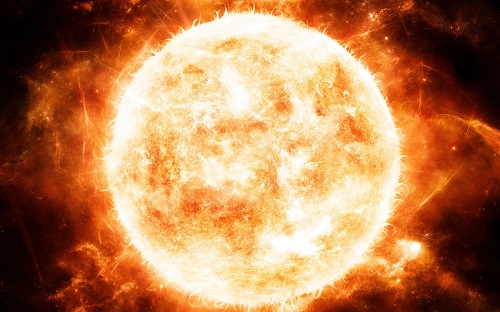
Magnetic storms are commonly referred to as changes occurring in Earth’s magnetosphere and caused by solar flare activity. Our planet is entirely dependent on the Sun’s energy. After another flare, the solar wind, intensified many times over by charged particles, affects Earth’s magnetic field.
This phenomenon is often accompanied by sudden weather changes, unusual animal behavior, and various technical malfunctions. During magnetic storms, the risk of accidents and aviation disasters increases, telephone communication deteriorates, and navigation devices may give false readings. Magnetic fluctuations also affect human health.
How a Magnetic Storm Affects a Person
Each organism reacts to changes in the magnetosphere individually. As a rule, the younger a person is, the less they are affected by solar flares. Those with weak cardiovascular systems, prone to arrhythmia, tachycardia, or vegetative-vascular dystonia feel them most strongly.
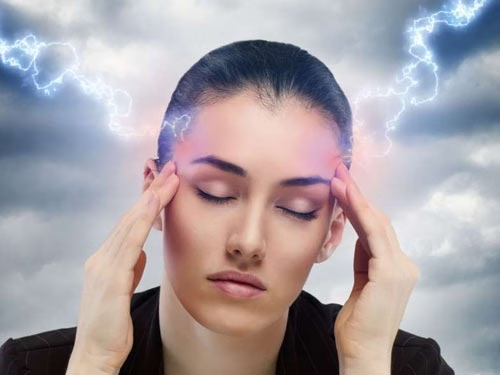
A sensitive nervous system can be highly dependent on solar activity. During a magnetic storm, the risk of conflicts and quarrels increases. It is known that a greater number of suicides occur during solar flares. At such times, unmotivated depressive moods arise more frequently. Headaches and sleep disturbances become more common: at work, people complain of migraines, while at home, they struggle with insomnia or nightmares. The level of anxiety rises significantly, and sometimes anxiety pursues people absolutely without reason.
Disturbances in the magnetic field slow down reactions, as if “braking” a weather-sensitive person, increasing the risk of injuries at workplaces or accidents on the road. In such places, one should be especially attentive.
What to Do During a Magnetic Storm
First and foremost, people with chronic illnesses or heart problems should monitor solar activity. When going outside, be sure to take your necessary medications with you. It’s not worth expecting the worst, but the principle “forewarned is forearmed” should become your rule during such periods. It’s better to have the right pill with you and not need it than to find yourself without medical assistance at an inopportune moment.
If you suffer from anxiety, panic attacks, or mood swings, you can drink mild calming infusions of medicinal herbs. For headaches, if there are no contraindications, aspirin can help. Normalizing your daily routine, especially ensuring healthy sleep, will not hurt. The sounder you sleep and the more confident you feel, the less chance there is that unfounded fears or melancholic thoughts will cling to you and interfere with your normal life.
For this period, it’s better to exclude situations that lead to stress from your life. Postpone visits to extreme attractions, reschedule long flights for a later day, and if that’s not possible, prepare your psyche accordingly. A positive attitude and the ability to maintain inner balance are simply necessary for you now. By the way, ordinary water can help with this—take a calming bath with sea salt in the evening or linger longer in the shower after a stressful workday.
Our luminary strongly influences life around us, so it’s worth checking the schedule of magnetic storms to meet them prepared and emerge from such situations without harm to your health and relationships with others. Be sure to listen to the forecasts of meteorologists and astrologers.