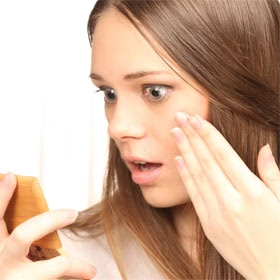
Many of us have faced the problem of facial and bodily swelling. In some people, the legs swell regularly, while in others, swelling is mainly concentrated in the facial area.
Most people who experience swelling in certain parts of the body have questions about the causes of edema and methods of eliminating it. But first, it’s essential to understand what swelling actually is.
As is known, the human body consists of 75 percent water. This includes both intercellular and intracellular fluid. Swelling is an increase in the volume of fluid within the intercellular space.
In medicine, two types of edema are distinguished – general and localized.
General edema typically appears due to kidney, heart, or gastrointestinal tract disorders and is accompanied by tissue swelling in the arms, legs, and other body parts. This type of swelling does not become immediately noticeable. Fluid gradually accumulates in the body, and once its volume exceeds three liters, the swelling becomes more apparent.
As for localized edema, it most often occurs due to venous diseases in the lower limbs, facial allergic swelling, or inflammation of lymph nodes. This swelling is confined to a specific area of the vascular system or a particular organ.
Regardless of its type, the presence of swelling always indicates that there are certain malfunctions in the body.
Main causes of swelling Inflammatory vein diseases.
Inflammatory vein conditions (thrombophlebitis and phlebitis) are always accompanied by swelling. The legs hurt even from light touch and become red. The skin in such cases takes on a bluish tint and feels warm and soft to the touch.
Elevated blood pressure.
The cause of swelling here is increased permeability of damaged capillaries. Another reason is a reduced level of albumins (proteins) in the blood. Lower protein levels in the blood lead to decreased osmotic pressure and subsequent fluid leakage from blood vessels into surrounding tissues.
Kidney diseases.
For various reasons, when kidneys fail to perform their functions properly, they also release fluid into the intercellular space. The skin in such cases becomes pale and dry. These swellings feel doughy and very soft, typically appearing in the morning, usually around the face and upper limbs. Renal edema is not fixed in one position and can shift with changes in body posture.
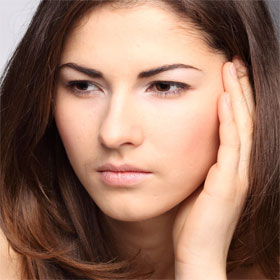 Allergies.
Such swellings can appear in any part of the body. Allergic edema feels quite firm to the touch and is accompanied by pinpoint rashes, redness, and itching.
Cardiovascular diseases.
Swelling associated with these conditions appears around the ankles. The lower limbs swell gradually as the disease progresses. Initially, the ankle increases in volume, then the swelling moves upward—toward the thigh area. In cases of “cardiac” edema, the skin becomes pale with a bluish tint, feels cold and taut to the touch.
If swelling results from any serious illness, self-treatment should be avoided; it’s better to consult the appropriate specialist. For example, in cases of “cardiac” edema, one should see a cardiologist; for “renal” edema, a urologist; and for “venous” edema, a phlebologist. However, if swelling is not linked to the aforementioned conditions, it can be managed independently.
First of all, fluid intake before bedtime should be limited. It’s also necessary to review your diet—perhaps eliminating fried, overly salty, and spicy foods. It is recommended to consume more fresh vegetables, fruits, and greens.
One of the best preventive measures against swelling is physical activity, such as swimming.
For facial swelling, various massage techniques can help, promoting lymphatic drainage and improving blood circulation.
Sometimes swelling occurs due to insufficient water intake. If the body receives little external fluid (pure water), it “panics” and begins retaining its own fluids.
Swelling in the lower limbs can also appear during hot weather. The following simple rules can help prevent such swelling:
– avoid high heels and tight footwear that impairs blood circulation in the legs;
– it is recommended to stay active and spend time outdoors regularly.
Contrast showers can help eliminate swelling by strengthening blood vessels and improving circulation.